
Will “Retro Wave” Cars Ever Be Collectable?
Sean Rooks | May 4, 2026
While pursuing a graphic design education in the late 90s and early 2000s, I can recall a ton of excitement in the field of design that I’m not sure I’ve experienced since. Two consumer products leap out in my memory as exemplary of this era: the first-generation Apple iMac and the Volkswagen New Beetle. The latter would inspire a slew of retro-inspired vehicle designs in this period, and in today’s Market Monday we’re discussing whether these “retro wave” cars from the 2000s will ever be collectable.
The Early 2000s “Retro Wave”
It’s easy to ascribe the retro wave era of vehicle design to a capitalist desire to exploit boomer nostalgia — and there is truth to that — but its origins are much more grassroots. J. Mays, the head of Audi Design in the early 90s, engaged new hire Freeman Thomas in a secret project to design a Volkswagen Beetle for a new era. The sketches they produced in the Californian Volkswagen Design Center in 1992 eventually made their way to Ferdinand Piëch, who greenlit concept development. Shown for the first time in 1994 at the Detroit Motor Show, the Volkswagen Concept 1 would eventually be developed into the New Beetle.
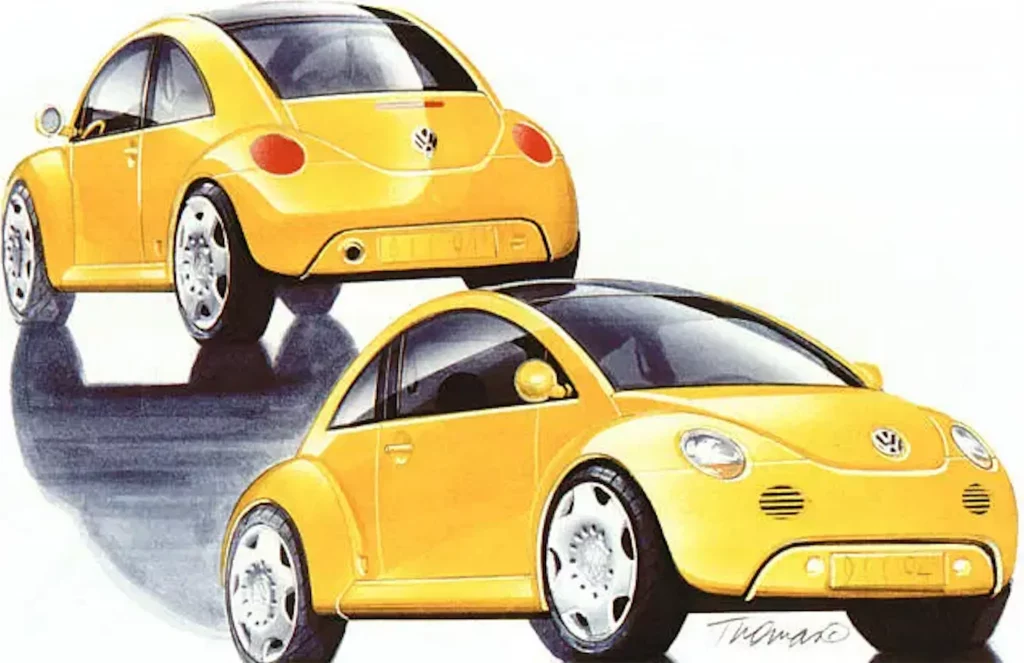
While derided by many as a “chick car” today, public feedback on this concept design was incredibly strong at the time and the increasing popularity of the internet allowed fans worldwide to share their excitement. Volkswagen’s sales were boosted significantly by the New Beetle after its release in 1998 as a full-fledged production car, and even Jeremy Clarkson (perhaps reluctantly) praised the New Beetle saying the first turbocharged example delivered to Britain would be his. VW knew it had a hit on its hands, and paired the car’s release with stellar promotional executions.
The staggering success of the New Beetle led many manufacturers to follow in Volkswagen’s footsteps, to mixed success. The Chrysler PT Cruiser may be the most derided, yet popular example (Chrysler sold well over a million of them). Others include the Ford Thunderbird, Fiat 500, MINI Cooper, Chevrolet SSR and Toyota FJ Cruiser.
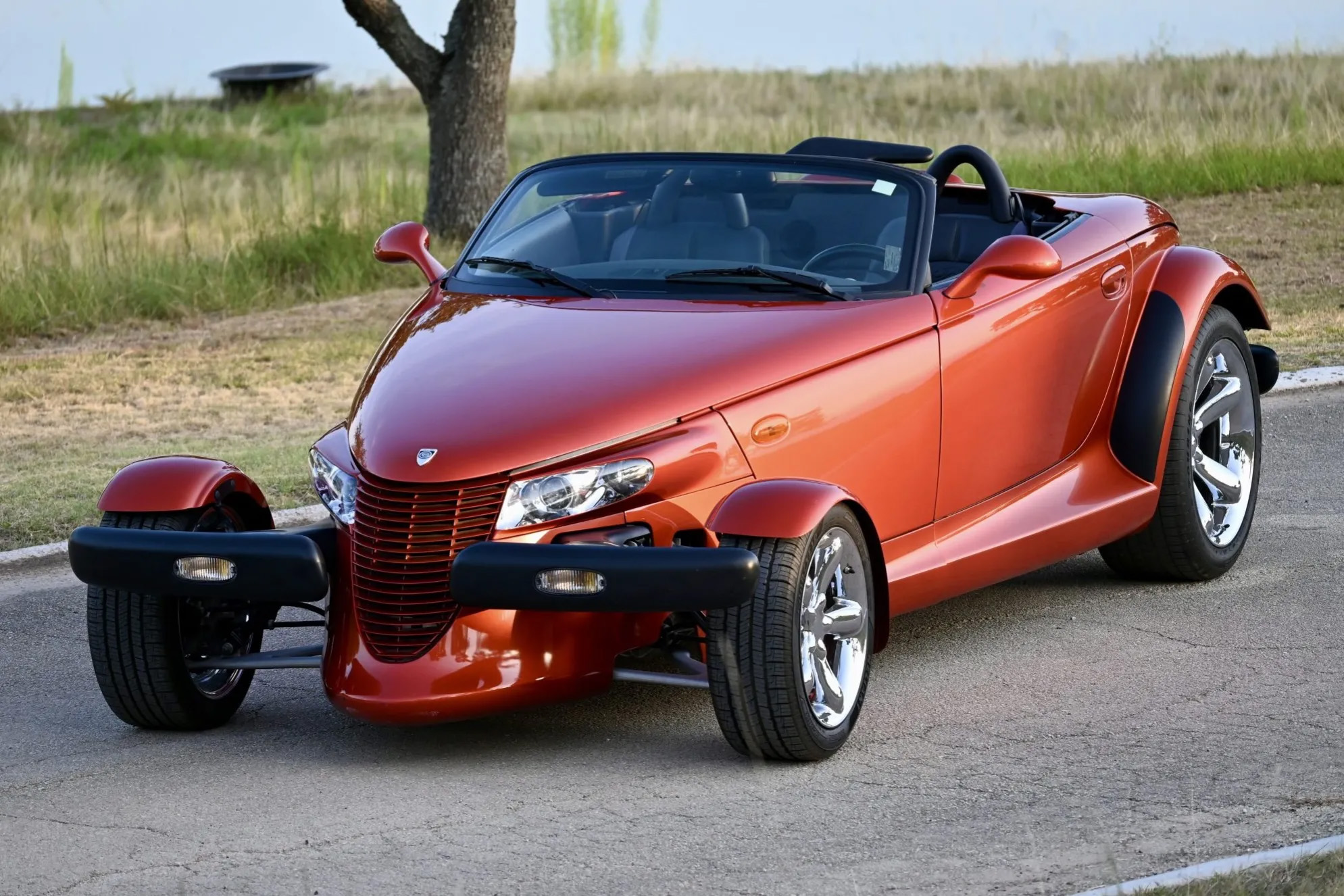
Retro designs weren’t just designed for the masses either, with examples like the Plymouth Prowler and Dodge Viper derived from American classics and aimed at upper middle class boomer buyers, while the BMW Z8 and the Ford GT targeted the wealthy.
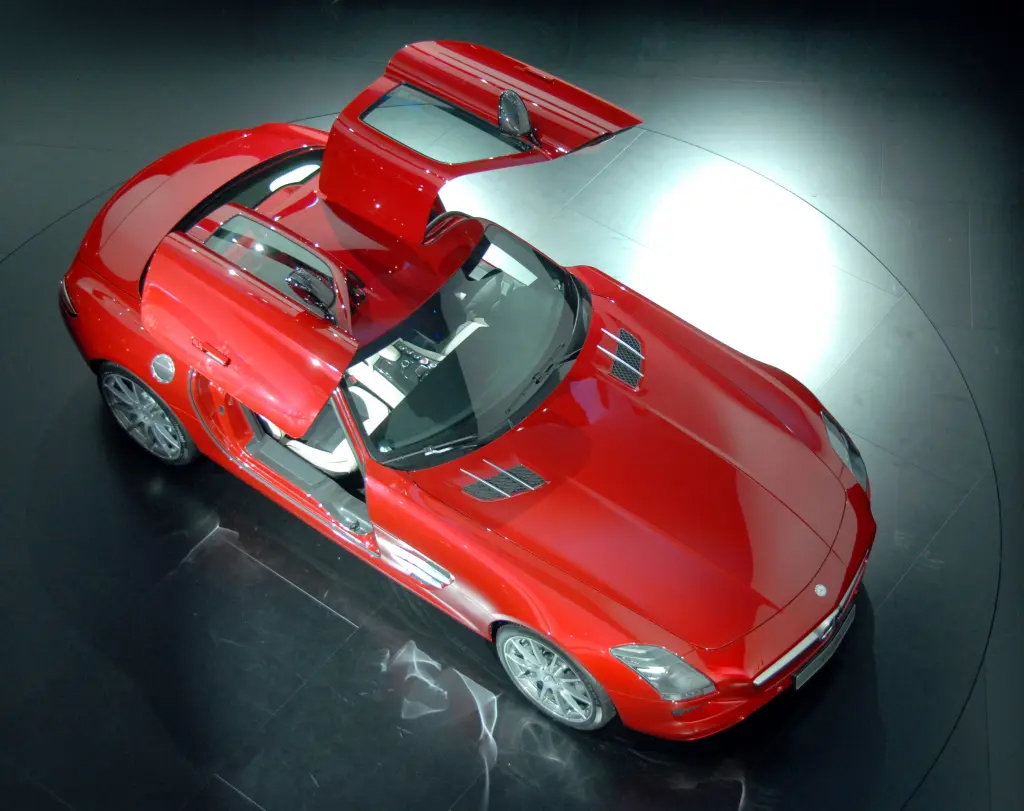
Retro-inspired styling continues today in cars like the Mercedes-Benz SLS AMG and Ford Bronco, but the mid-late 1990s and early 2000s felt like a single point in time where incredibly bold concepts shown on stage had a real chance of becoming a production car with much of their design intact.
The New Beetle was produced for a long time — 14 years including one refresh. The model was given a totally new platform in 2012 with styling that was closer to its inspiration, but less trend-setting. Sales of the A5 Beetle, its replacement, never matched the heights the New Beetle reached. The MINI brand is still around, though the cars are anything but small. Muscle car revival vehicles such as the Dodge Challenger have evolved over the years based on the retro-design language introduced in the 2000s, but have been replaced mostly due to EVs and the SUV craze. The question then becomes: are these cars special and will demand increase for cars from this era?
Are Retro Wave Cars Potential Collectibles?
The most collectible vehicles exhibit a number of fairly consistent attributes. In my estimation, these principles apply regardless of era. There are exceptions, of course, but typically it’s because those cars far exceed others in one of those specific traits. These attributes are:
Rarity
While not a guarantee (see the Cadillac Allanté), cars that are produced in huge numbers (tens to hundreds of thousands) appreciate less than limited-run models.
Performance
The most collectible vehicles typically made an impact due to their performance numbers for the era. See the McLaren F1, Ferrari F40 or the Bugatti Veyron.
Cultural Impact
Was the car was worthy of being a “poster car” on the bedroom walls of the young people of the era? When grown, these enthusiasts have the income to acquire their dream car.
Enthusiast Demand
The public may have loved the car, but does the vehicle resonate with die-hard automobile lovers, who will keep the car physically and spiritually alive?
Best Bets
Iconic retro cars of this era — the most extreme, high-performance and exclusive models — have already seen significant appreciation over the last 10 years. Continued growth for the following vehicles is expected.
Ford GT
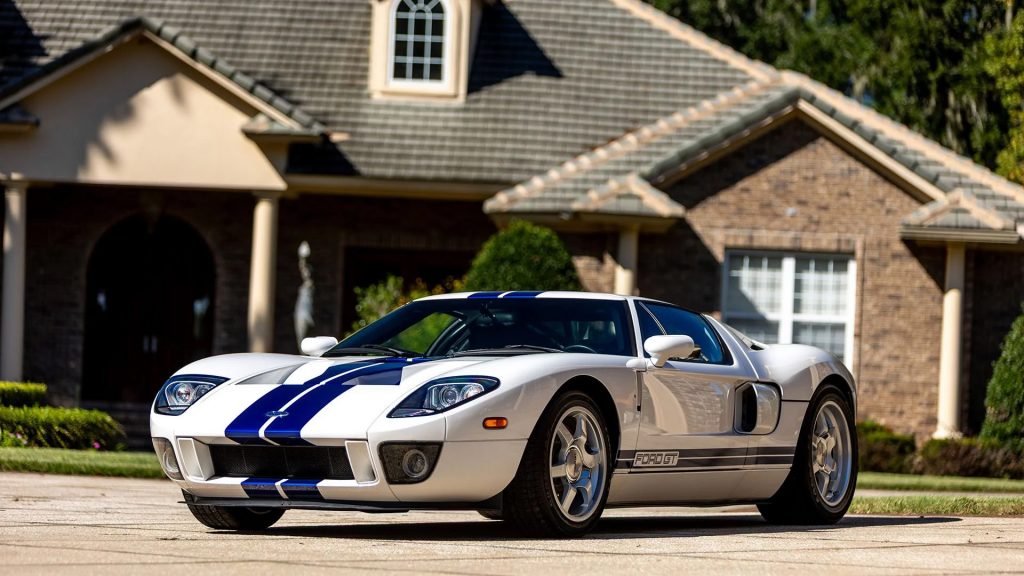
The Ford GT is a blue-chip retro car that has already popped in value, but will likely continue to increase in the coming decade. The original MSRP of the Ford GT was around $150,000 and now averages about $500,000 for a standard example. Heritage Edition specifications regularly bring over $700,000 when they come to market. You may have to hold on to a first-gen Ford GT to realize any significant gains, as the easy appreciation occurred over 10 years ago.
BMW Z8
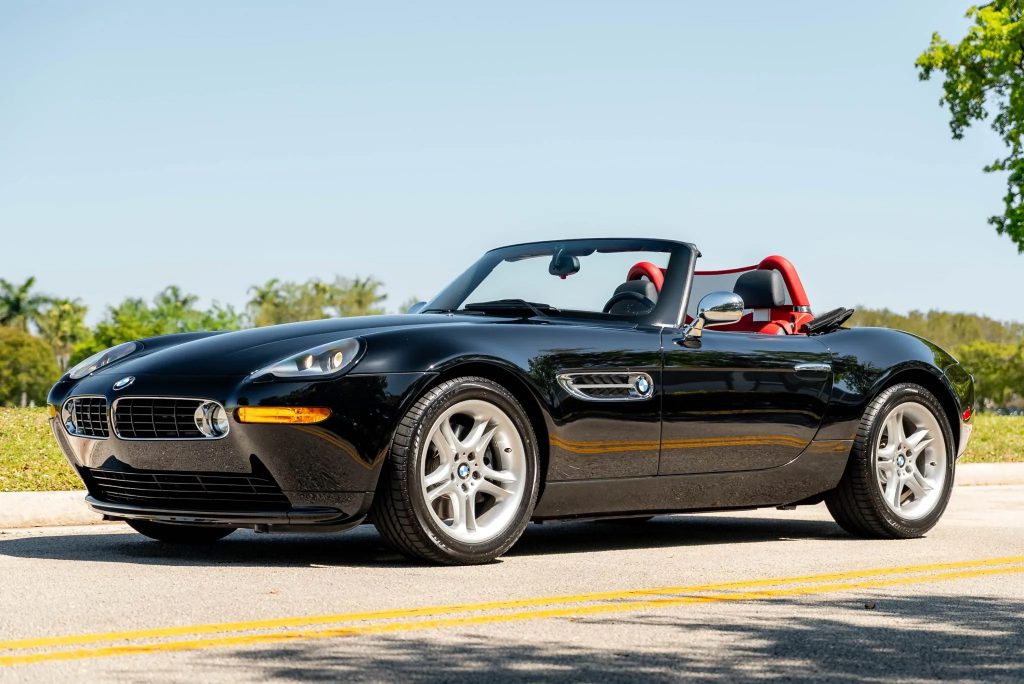
Inspired by the 507 roadster, the BMW Z8 shares a similar story to the Ford GT in that its biggest value increases have largely been realized, and slow steady growth is likely from here.
Future Collectibles
We’re starting to see some spots of appreciation for middle-market retro cars from the early 2000s. The cars below are a few of my choices for future retro-wave collectibles.
MINI Cooper
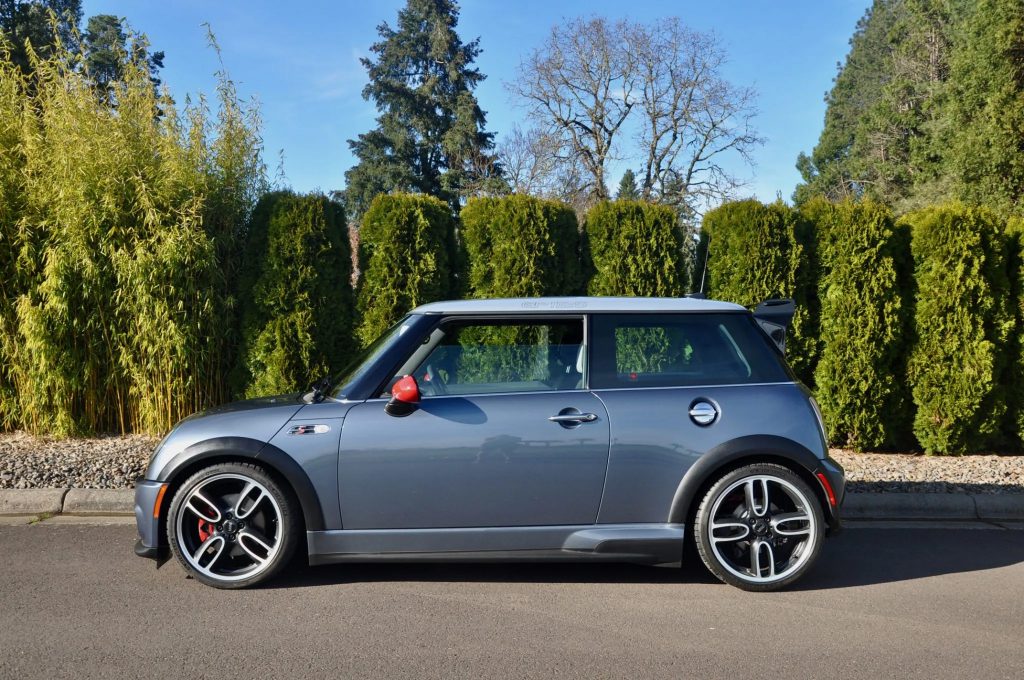
The idea of a retro-styled revival of the original Mini was initiated by the British company The Rover Group and was developed into its well-known R50 MINI Hatch form after BWM’s acquisition of Rover. With the significant bloating of today’s MINI Cooper and the introduction of crossover-style models, the first-generation new MINI may become more desirable. Standard models are very affordable, but low-miles performance variants like the John Cooper Works GP are bringing some big numbers at auction.
Volkswagen New Beetle
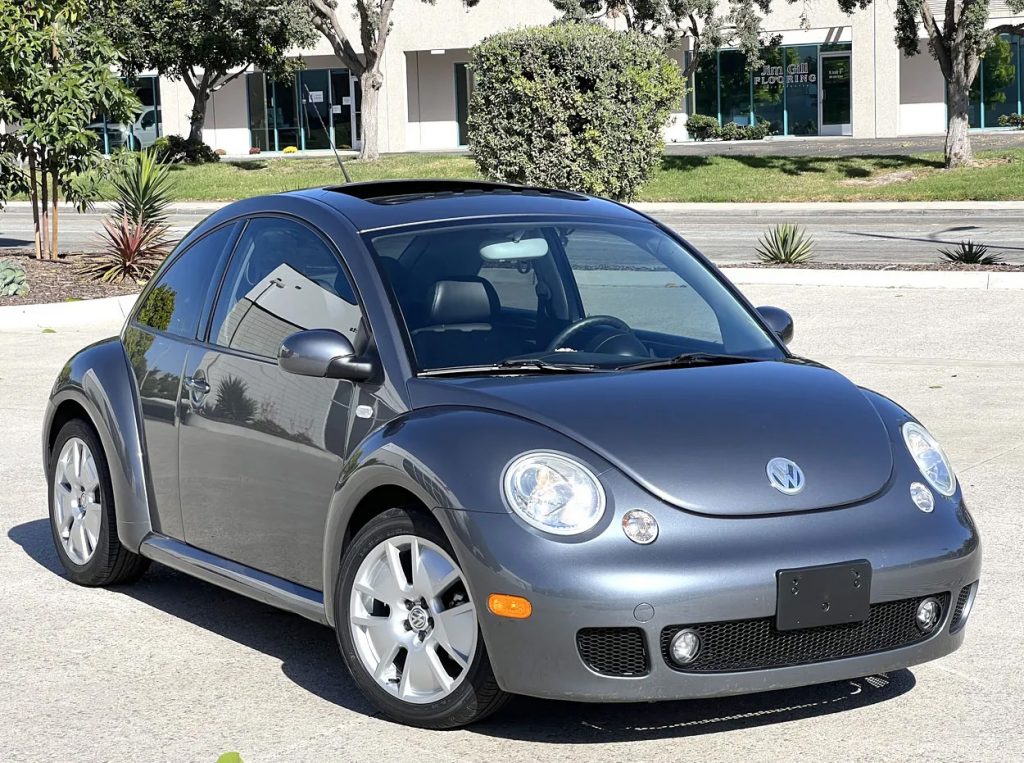
New Beetles are some of the most commonly available fourth-generation platform Volkswagens you can find and are priced in the four figures for the most part. Many are very well-used in terms of condition and show their age. Like the MINI, performance-themed models — such as the Turbo S — in excellent condition with low miles may become collectible.
Fiat 500
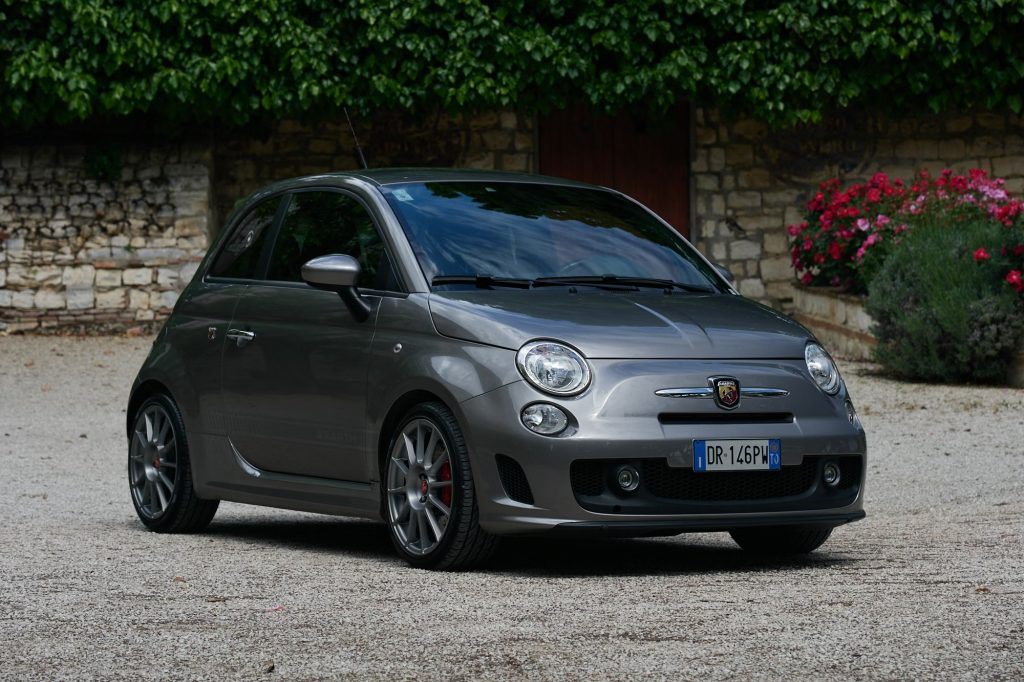
The reborn Cinquecento or 500 was, like the MINI, a product of the genius designer Frank Stephenson. Based on the earlier Fiat Mini platform, the car was praised for its cuteness and agility, especially given its top-heavy styling. The 500 Abarth is the model to have for future collectibility, as it added a turbocharger that added 35 horsepower over the standard 500 as well as 17-inch wheels and a body kit. Appeal may be limited a bit to city-dwellers, but with higher gas prices these little hatches are looking more and more appealing. It’s worth noting that the 500 Abarth didn’t hit US shores until 2012. “Tributo Ferrari” models from the first year are selling for big money overseas.
Novelty Favorites
The cars below represent retro-era vehicles that, while loved dearly by their owners, have little upside in terms of collectibility and in some cases are already seeing declines in values.
Chevrolet SSR
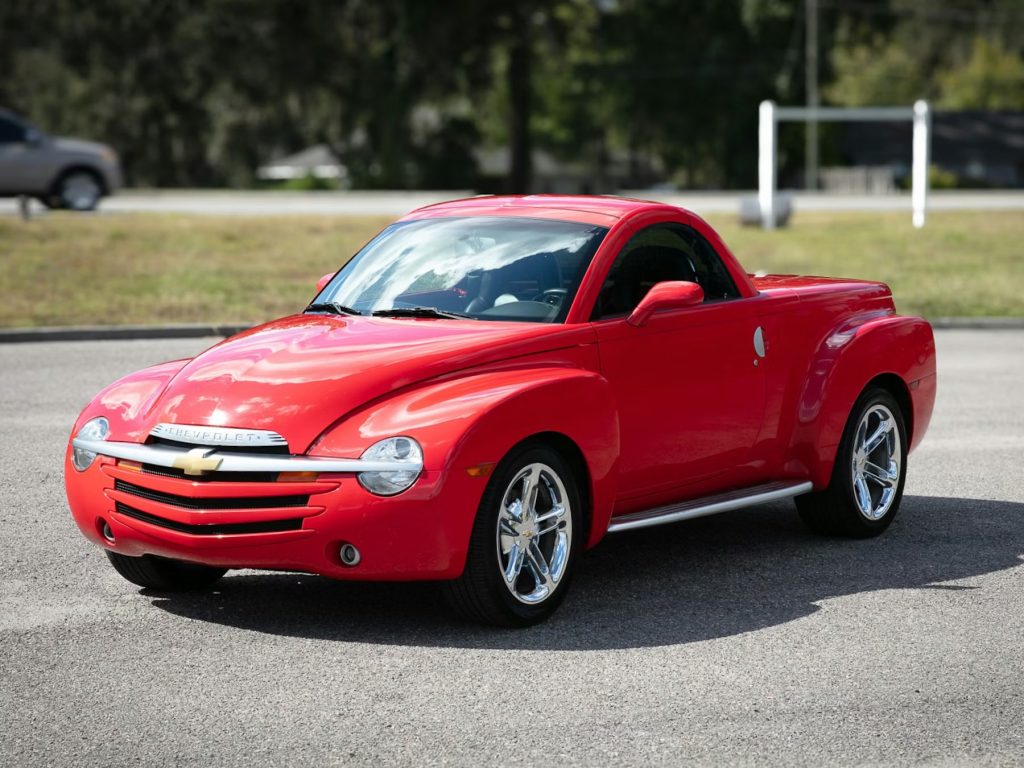
The appeal of a retractable hardtop convertible pickup truck was always going to be limited to a small group of people. The LS2-powered version actually delivers respectable performance and could be mated to a 6-speed Tremec manual. The problem is that the design is evocative of a style of car that the current generation of buyers never knew, and have no attachment to. Values have dipped slightly over the last 5 years, but I expect dedicated enthusiasts will continue to keep these unique cars on the road for some time to come.
Plymouth Prowler
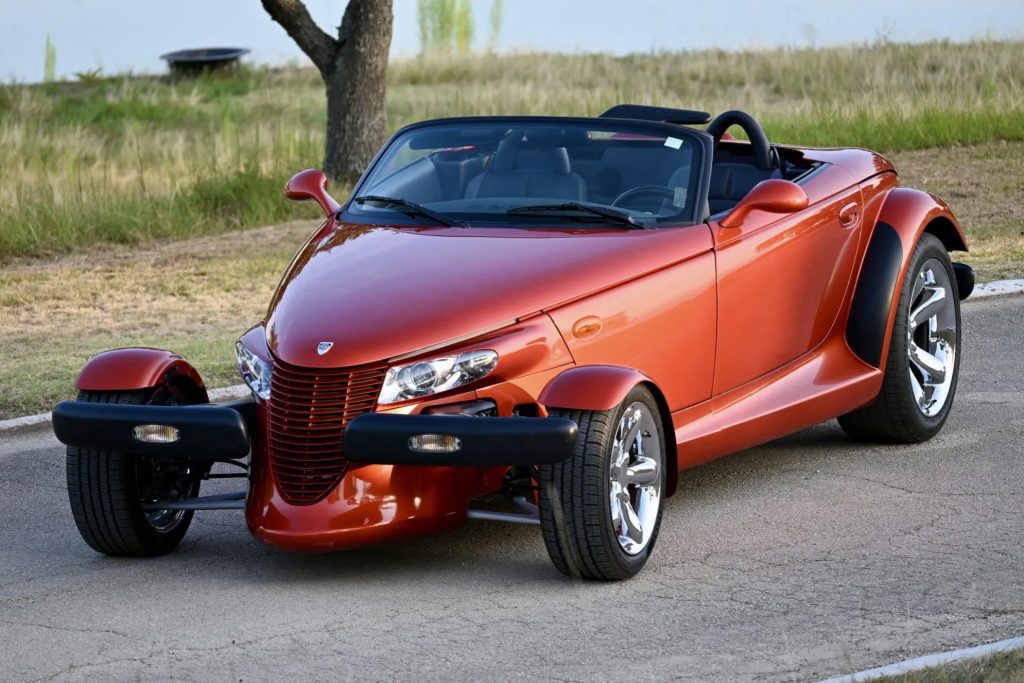
It’s not at all rare, it only came with an automatic transmission, the styling is polarizing and values have been slightly declining over the last few years. That said, the Plymouth Prowler has a novelty that will likely continue to appeal to a limited niche audience of collectors. Values have softened in the last few years, but will probably keep pace with inflation in the near term.
Ford Thunderbird
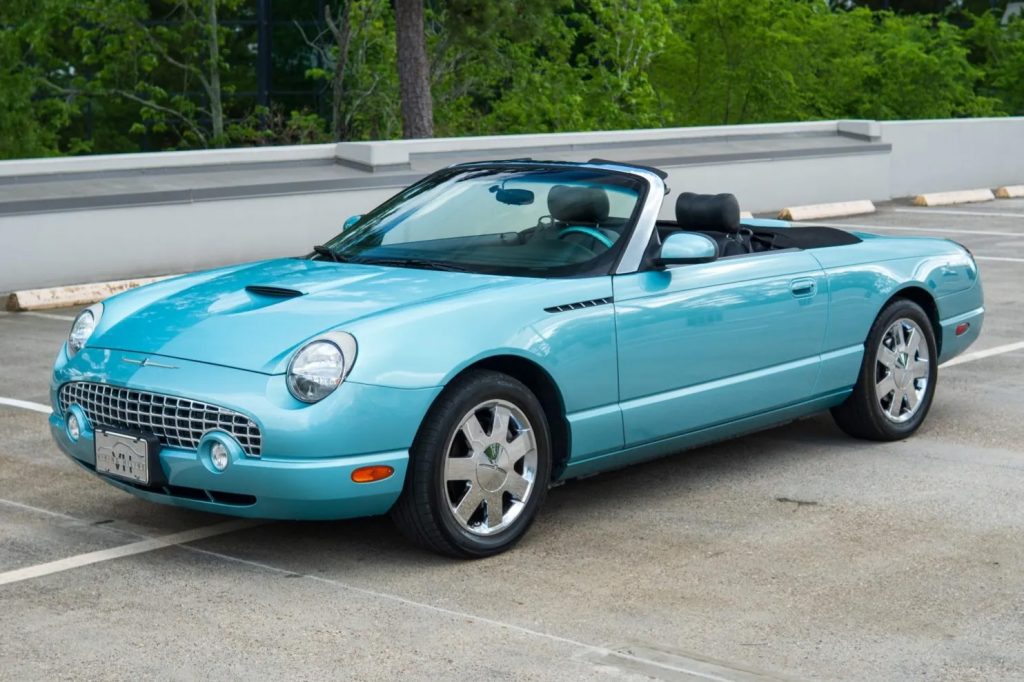
Similar to the SSR, the 11th-generation Ford Thunderbird evokes the styling of a car from generations ago. Many deride the styling as sedate or overly streamlined compared to its inspiration, and though it’s powered by a 250hp V8 engine the car was only offered with an automatic transmission. Ford made a ton of them, so they’re not rare and this fact will likely continue to depress values into the future.
Toyota FJ Cruiser
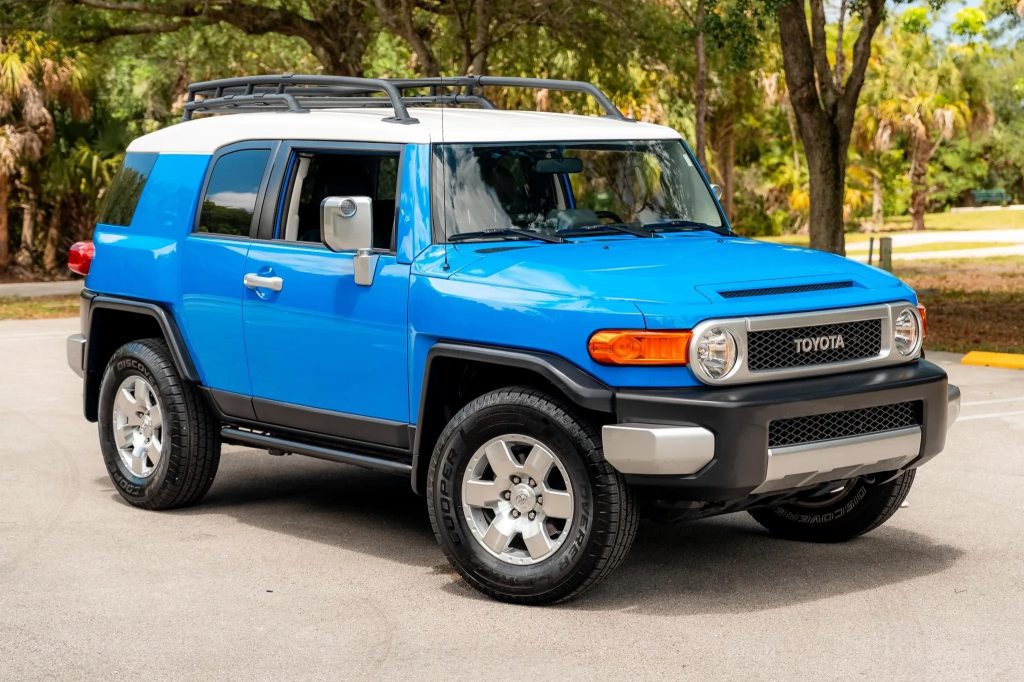
Launched in its production form at the 2005 Chicago Auto Show, the FJ Cruiser was built on the Land Cruiser Prado platform and wears a retro-styled body based on the original Toyota FJ series of offroaders. The car was designed to attract younger male buyers, who Toyota felt they weren’t reaching with current models. Period reviews praised its offroad abilities and performance, but criticized its on-road manners and the cheapness of the interior. Values for the FJ Cruiser have plummeted nearly 30% since the peak of the pandemic boom, and continue to trend downward.
Demographic Shifts Could Create Headwinds
25 years ago, these cars were designed specifically to appeal to baby boomers. Some GenX and early Millennials who considered cars like the New Beetle Turbo S to be cool, like yours truly, will determine the market for these cars in the coming years. One challenge is that enthusiast cars reached the pinnacle of analog performance in the early 2000s and there are better investment options for collectors other than a retro car. The nostalgia that retro cars evoke is completely foreign to younger buyers, but some may enjoy the quirky and counter-culture image of these vehicles.
One potentially overlooked benefit: retro cars provide the attractive styling of classics with a modern driving experience — something today’s market seems to value.
Final Thoughts
As with most complex things, the answer to this article’s title question of whether “Retro Wave” cars from the 2000s ever be collectable is “it depends.” Some retro cars will continue to appreciate in value due to their rarity, specification, performance, quirkiness or cultural impact. Others will remain affordable cars that continue to be loved by their owners and admirers.
Have a great week, everyone!
Wolf and Mare provides car finding, appraisals, and auction services for buyers and sellers of collector European cars. If you’re interested in acquiring an overseas car, give us a call or drop a line!
