
What to Expect During a Classic Car Appraisal
Sean Rooks | May 11, 2026
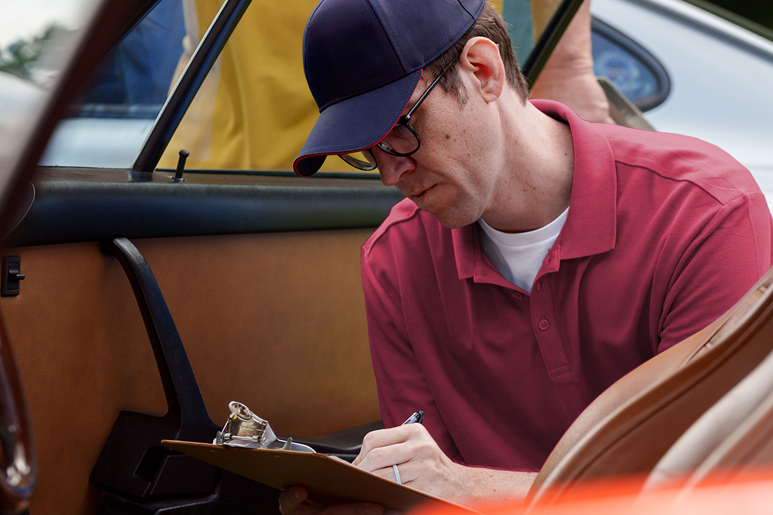
I recently received an email from a potential client interested in a professional vehicle appraisal for their collector automobile. While I have a detailed page describing my appraisal services and content describing how to prepare for a classic car appraisal, I realized I didn’t have an easy to understand description of what happens during the appraisal process and how it works. In today’s Market Monday, I’m providing an overview of what to expect during a collector car appraisal.
Why You Might Need a Collector Vehicle Appraisal
An appraisal is a process, not a number. As defined in the Uniform Standards for Professional Appraisal Practice (USPAP), an appraisal is the act or process of developing an opinion of value. While not an everyday occurrence, there are many reasons why an appraisal might be necessary. I perform professional appraisals of vehicles including collector cars, trucks and motorcycles in Richmond, Virginia and my clients are collectors, insurance companies, beneficiaries and executors of estates, donors of property, attorneys, and more.
Scenarios where a professional appraisal might make sense include:
- The potential purchase or sale of a vehicle
- Determining value to ensure proper insurance coverage for a vehicle
- Obtaining an appropriate settlement due to damage or loss to your vehicle
- Completing tax forms related to estate tax or charitable donation
- Planning for future disposition of property for an estate or due to divorce
Appraisals are only conducted by professional appraisers. Appraisers are bound by the standards of the industry, their associations and the law to perform appraisals that are independent, impartial, and objective.
Car dealers, wholesale retailers, market analysts and others may say they provide “appraisals” — and it’s possible they do — but most are not professional appraisers following a formal methodology, nor are they credentialed by a professional appraisal organization. Less than honest “appraisers” may overvalue or undervalue your vehicle to benefit themselves. A true appraiser is ethically bound to be an independent third party with no stake in the outcome of the appraisal.
Many of the appraiser’s tasks are dictated by the standards of the industry, but appraisers are otherwise generally free to conduct their practice as they see fit. The steps below are the ones that I typically use for my appraisal assignments.
Step 1: Initial Consultation and Purpose of the Appraisal
My process usually begins with a conversation, either via email or on the phone, to understand that client’s needs and why they need an appraisal. The approach for each assignment is dictated in great part by the intended use of the appraisal. An example of “intended use” would be an appraisal conducted to aid in acquiring agreed value insurance coverage.
Sometimes the assignment can be more complex than simply determining a single market value. For example, in a damage loss appraisal, it may be necessary to develop a report that includes multiple types of value, including salvage value, replacement value, and the cost to restore, replace or reproduce the lost property.
The consultation step is where we’ll determine the type of report needed. Appraisal reports for buying or selling may not need full details on how the appraiser arrived at their value, while Federal tax appraisals require much more detail and scrutiny. Costs can vary significantly based on individual needs, and the consultation will also help prepare an estimate for your specific needs.
Step 2: Inspection and Evaluation
For any appraisal, demonstrating that the item being appraised exists (or existed) is critical. Often this means the appraiser performs an in-person inspection of the classic, collector or other vehicle being appraised. During this in-person evaluation, I typically perform the following tasks:
Exterior Evalution
While not a guarantee (see the Cadillac Allanté), cars that are produced in huge numbers (tens to hundreds of thousands) appreciate less than limited-run models.
Interior Evaluation
The most collectible vehicles typically made an impact due to their performance numbers for the era. See the McLaren F1, Ferrari F40 or the Bugatti Veyron.
Mechanical Assessment
Was the car was worthy of being a “poster car” on the bedroom walls of the young people of the era? When grown, these enthusiasts have the income to acquire their dream car.
Documentation Review
The public may have loved the car, but does the vehicle resonate with die-hard automobile lovers, who will keep the car physically and spiritually alive?
Step 3: Research and Market Analysis

Appraisers are expected to have expertise in the type of property they are appraising and required to be experts in the process of conducting an appraisal. However, no appraiser is an expert in every type of property they appraise, making research an important step.
Research is where the appraiser may supplement their existing knowledge with further information, if necessary, on the make/model and type of collector car being appraised. This research step often starts before the on-site inspection to ensure proper documentation of important manufacturing details and identifying numbers during the inspection. It can also help the appraiser determine, while on site, whether a vehicle requires further authentication.
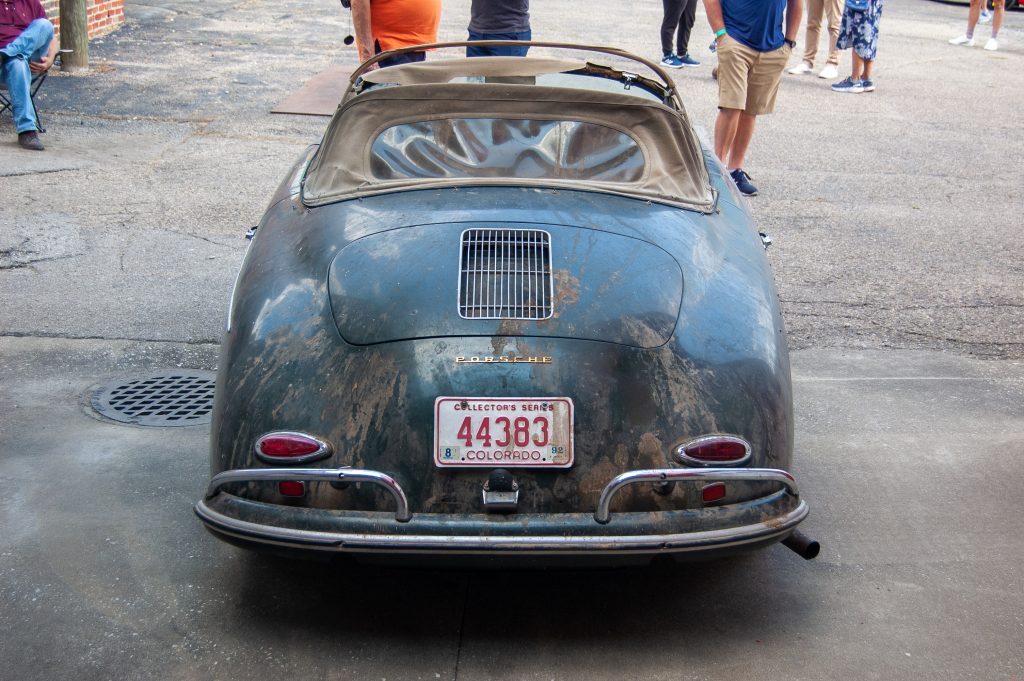
The bulk of the research effort is in investigating and analyzing the appropriate markets for the appraised vehicle and identifying comparable vehicle sales or prices. The goal is to find prices for collector vehicles that are as similar as possible to the vehicle being appraised. This includes attributes like rarity, provenance, color, overall specification and more. If the vehicle being appraised is a 1970 Porsche 911T in Conda Green, then my comparables will be as similar as possible to that vehicle including its options, condition and provenance.
Step 4: Developing the Appraisal Report
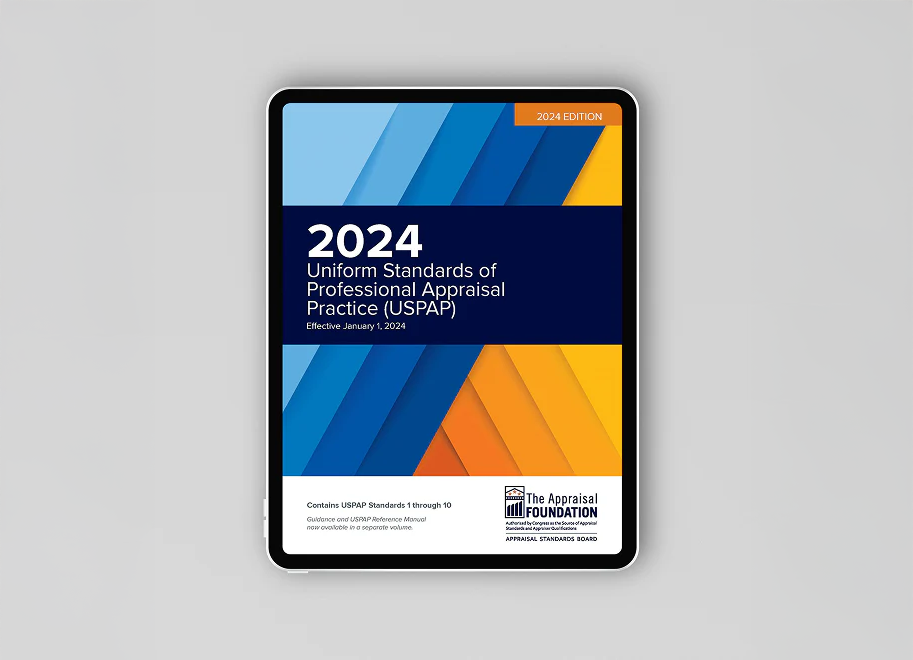
Developing the appraisal report is where all the prior steps come together. The contents of the report are informed by two important standards. The first is the Uniform Standards for Professional Appraisal Practice or USPAP. The purpose of USPAP is to promote and maintain a high level of public trust in appraisal practice by establishing requirements for appraisers. The second is the report writing standard used by your appraiser’s member association, such as the International Society of Appraisers, Appraisers Association of America, or the American Society of Appraisers. In my case, the International Society of Appraiser’s Report Writing Standard adds an additional layer of rigor and credibility on top of the USPAP rules.
My reports include a cover letter describing the assignment, the work undertaken, and how it was conducted along with a summary of the determined value. The body of the report includes the detailed evaluation of the subject vehicle, along with the determined value and detailed justification. For my clients, I also share the photographs taken during the appraisal process.
Step 5: Delivery and Follow-Up
Believe it or not, there are plenty of stories of clients refusing to pay an appraiser when the determined value doesn’t meet their expectations. We’re hired to appraise a collector vehicle as an independent third party, free from coercion, and it can require many hours of work to develop an appraisal. For my practice, I invoice my clients and require full payment prior to the delivery of the completed appraisal report.
The final report is usually delivered via email, but if a printed copy of the report is required or requested, one or more can be provided. Appraisals for large collections may require other means of delivery, as the reports and photo libraries can be quite large. Once the report is delivered, the assignment is considered complete!
Clients don’t typically follow-up after a report is delivered, but sometimes an appraisal assignment may be part of a litigated dispute. If an appraiser is required to provide further information or work materials or participate as an expert witness, additional fees may be incurred.
Final Thoughts
I hope this description of the collector vehicle appraisal process demystifies the experience for you. When choosing an appraiser, remember to look for three important things. First: be sure to look for an appraiser that is a member of an established appraisal organization. Second: the appraiser states that their appraisal reports adhere to USPAP standards. Last: The appraiser has expertise in valuing the type of property you need to have appraised.
If you’re looking for an appraiser here in Virginia to appraise your collector car, truck or motorcycle, I’m an experienced appraiser and member of the International Society of Appraiser and have performed appraisals for many purposes. I would be pleased to speak with you regarding your appraisal needs and would love to earn your business.
Have a great week, everyone!
Wolf and Mare provides car finding, appraisals, and auction services for buyers and sellers of collector European cars. If you’re interested in acquiring an overseas car, give us a call or drop a line!
