
Cheap Cars That Turn Heads (Part 3): Antique Cars
Sean Rooks | December 29, 2025
In this week’s Market Monday, we continue our “deinfluencer” campaign against the idea that the only way to stand out at a car meet is with a high-priced exotic or luxury car. Last week, we highlighted the charm and attention-getting nature of pristine, low-miles, unrestored survivor cars. In this week’s post, I make the case for a (supposedly) dying genre of automobile: antique cars.
Part 3: Antique Cars
I recently had the pleasure of performing an appraisal on a rare antique automobile and it reminded me how fascinating and fun these cars can be. The term “antique” is a broad one, and generally covers cars built from the late 1800s all the way up to just before the Second World War. Specific definitions for the various eras making up these decades are a point of much debate, but in general antique cars can be segmented into three distinct eras.
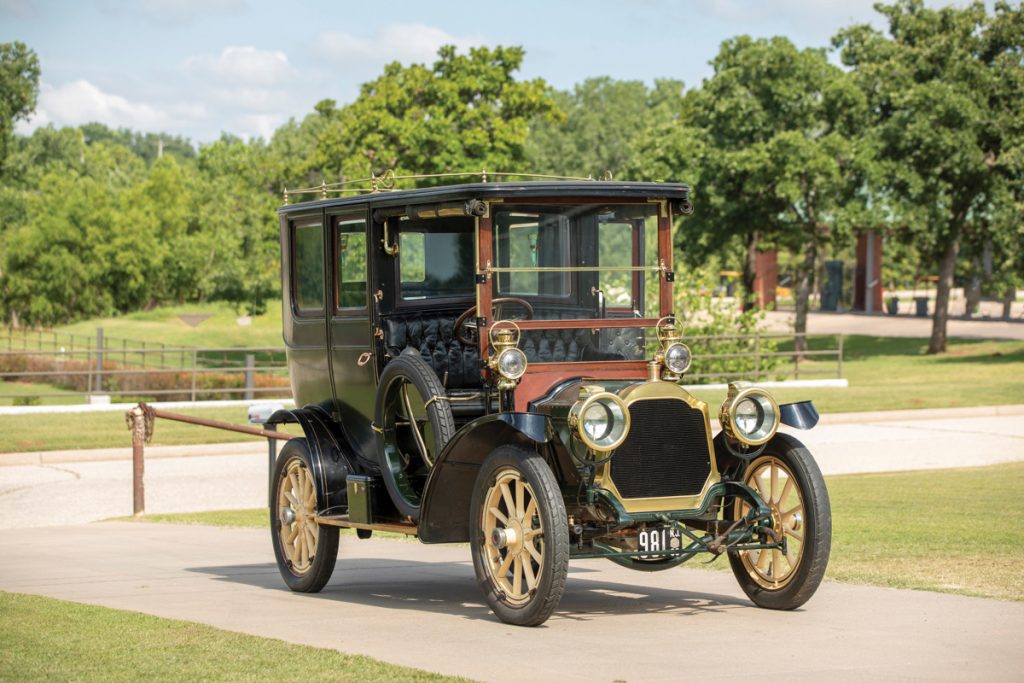
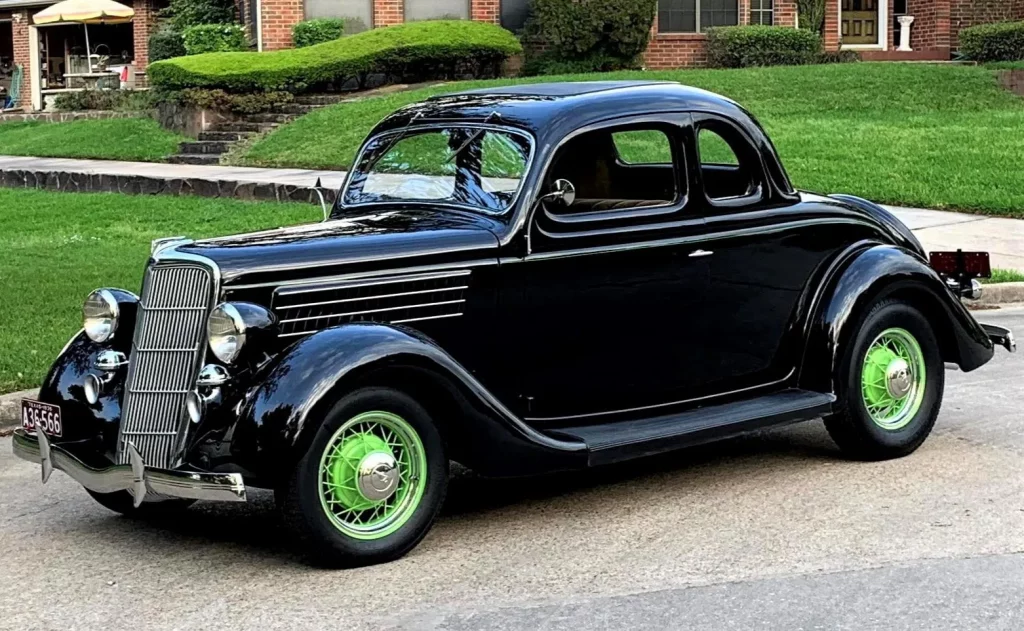
The brass-era refers to cars built from the dawn of motoring to the mid 1910s. As the name implies, these vehicles are distinguished by their brass fittings, such as headlight and radiator housings and the era runs from around 1896 to 1915. Some suggest that the end date should be 1916, as Henry Ford stubbornly kept a brass radiator on the Model T through that model year. Nickel fittings replaced brass as fashion changed, christening the next age of vehicle as the nickel-era. This era spans 1916 up to the early 1930s. The final era is pre-war cars, which would be the late 1920s up to the start of World War II, which featured the adoption of streamlining inspired by the aeronautics industry.
These historical autos rarely appear at weekend car meets these days. This could be due to declining interest in such cars due to shifting demographics, or the challenges of piloting them on today’s busy roadways. Even organized regional car shows are often missing an early automobile class. I remember one Saturday, a brass-era Ford appeared at our local cars and coffee event and it was an instant hit. Most folks in attendance had never seen such an old vehicle in person, and the process of hand-cranking the engine when it was time to depart drew a sizable crowd.
5 Antique Cars for Under $25,000
This early period of automobiles included major manufacturers like Ford, Cadillac and Packard, but also many smaller independent factories like Haynes, Hupmobile and Peerless. The best bet for an affordable car from this era, in general, would be to acquire a car from one of the more productive makes as rarer vehicles — including luxury cars like Duesenbergs — still command big prices.
Below is a list of just a handful of interesting antique vehicles from both domestic American and European brands available for sale now. My personal preferences skew a little more toward the European end, as they tend to be a little more sporting in their disposition.

The Model T was built from 1908 all the way to 1927 and covered multiple variants including town cars, coupes, and even trucks. Millions of Model Ts were built, making them highly affordable antiques that are relatively easy to find. This particular Model T was built in 1915, meaning it has electric lights replacing the carbide units and a louvered engine hood. Finished in a fetching burgundy paint color, the car also features cowl lights and an interesting windshield-mounted spotlight. The overall condition appears excellent. The asking price is $18,000 against a market average of around $11,000, putting this car at the top of the market.
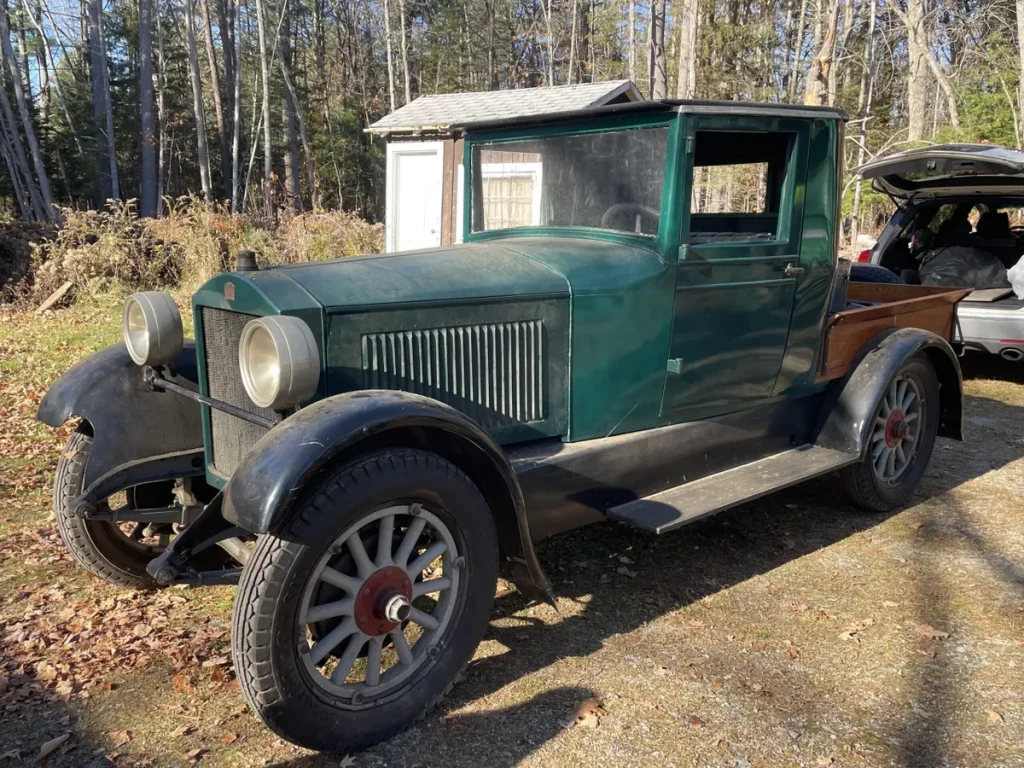
In the early days of the automobile, internal combustion wasn’t necessarily the de facto standard. Electric power and even steam were potential sources of locomotion for the horseless carriage. Stanley Vehicle Corporation is probably best known for their Stanley Steamer, and this car listed on Hemmings is one of the last produced by the company before their switch to gasoline. Very much a project car, it would need its original bodywork refitted and some plumbing completed, but it’s said to have a new boiler. Running models of these cars are pretty rare owing to their complexity, but here’s your chance to join an exclusive club with members like Jay Leno.
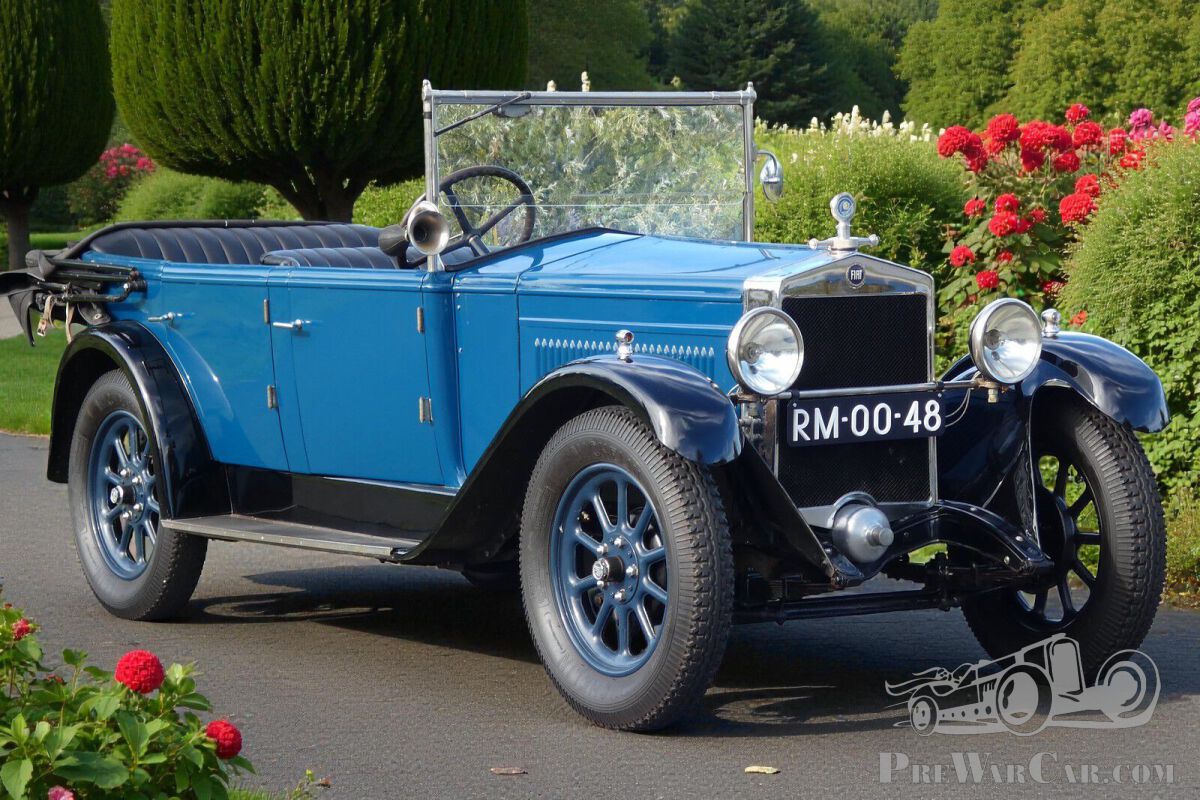
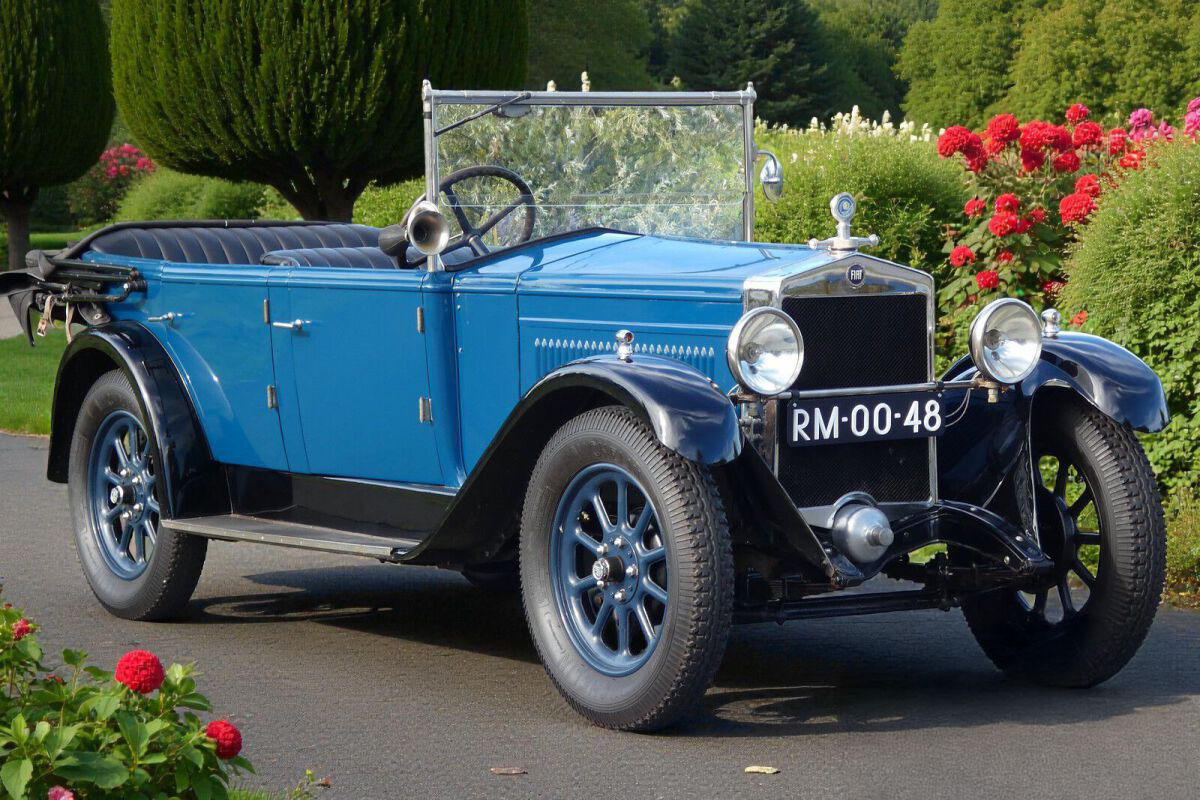
The Fiat 509 was a Monte Carlo Rally winning car in 1928 and represents one of the brand’s most iconic and important vehicles in its long history. The successor to the Fiat 501, the Mussolini-ordered 509 was well-equipped even though it was designed for the masses. This 1928 Fiat 509 for sale in the Netherlands features a sleek blue torpedo body with a retractable fabric roof. The engine displaced just 1 liter and was mated to a three-speed manual transmission. Maybe it’s just me, but I can’t help but hear the theme music from The Godfather when I see this car.
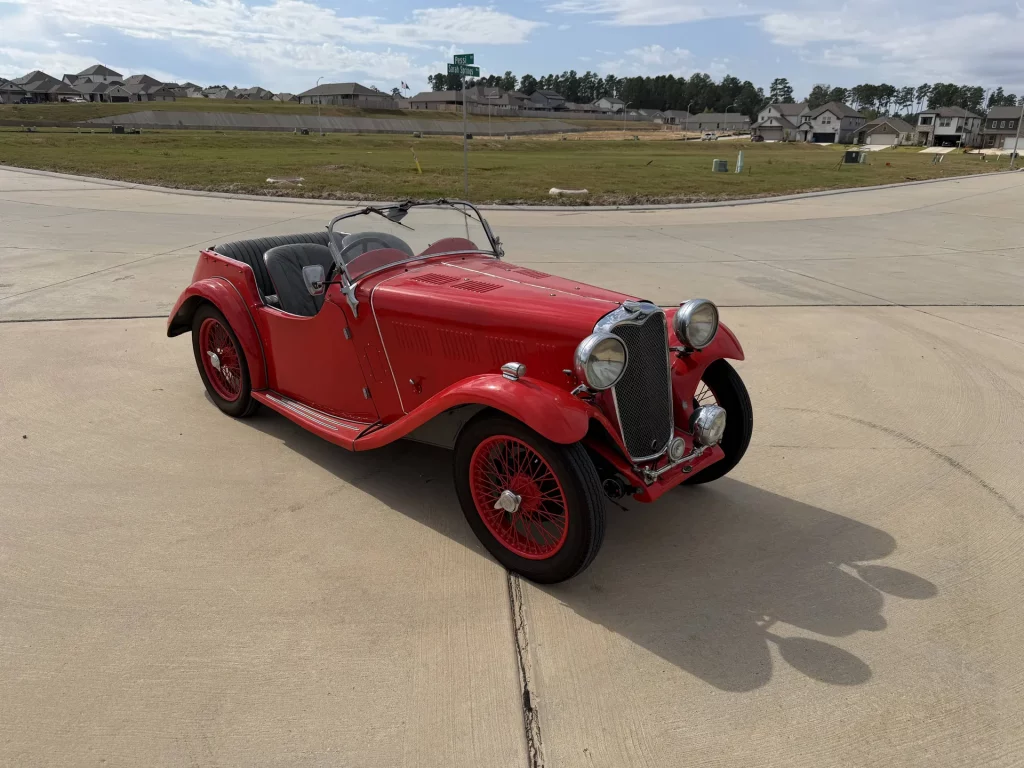
The Singer Nine replaced the Singer Junior and features a 972cc overhead cam engine pumping out a whopping 26.5hp. The Nine Le Mans was produced from 1933 to 1937 and used a higher tuned version of the inline-four and a larger capacity oil sump. Horsepower was uprated to 34 and a low-slung chassis provided a lower center of gravity. For 1935, the Le Mans received a four-seater option with a streamlined rear end, which is what this car resembles. The year of production is wrong for a Le Mans Four Seater, so some authentication work is advisable here. Regardless, it’s a pre-war car that can reach up to 66mph at full tilt.
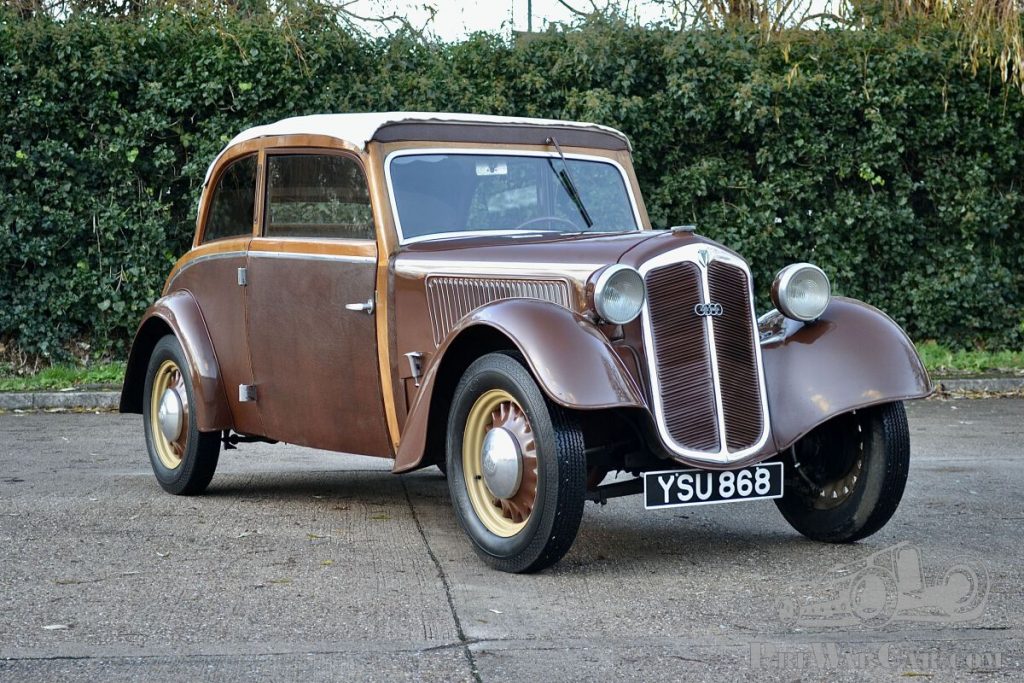
Offered for sale in the UK, this 1937 DKW F7 is an impressive vehicle for its time. Featuring a fully independent suspension, front-wheel drive, a 2-cylinder engine and a three-speed gearbox the F7 could reach a max speed of over 50 mph. This particular car is a cabriolet and is claimed to have been used in numerous film productions, such as Charlie and the Chocolate Factory, and runs and drives well. Offered at just $13,500, this pre-war car is one that is rarely seen on American roadways and an interesting piece of German automotive history.
Final Thoughts
For cars as old as these, being able to do your own repairs becomes really important. That said, there’s likely no better vehicle to learn on than vehicles with dirt-simple mechanical and electrical systems. Challenges in parts availability are a genuine concern for some of the smaller independent makes, but advances in additive manufacturing may alleviate much of those issues in the future.
On the flip side, these cars offer an exhilarating, though slow by modern standards, driving experience and attract loads of attention at your local filling station. As long as there are people who love history and love cars, antique vehicles will continue to be admired. What pre-war car would you add to your garage? Let me know in the comments!
Happy New Year, everyone.
Wolf and Mare provides car finding, appraisals, and auction services for buyers and sellers of collector European cars. If you’re interested in acquiring an overseas car, give us a call or drop a line!
